
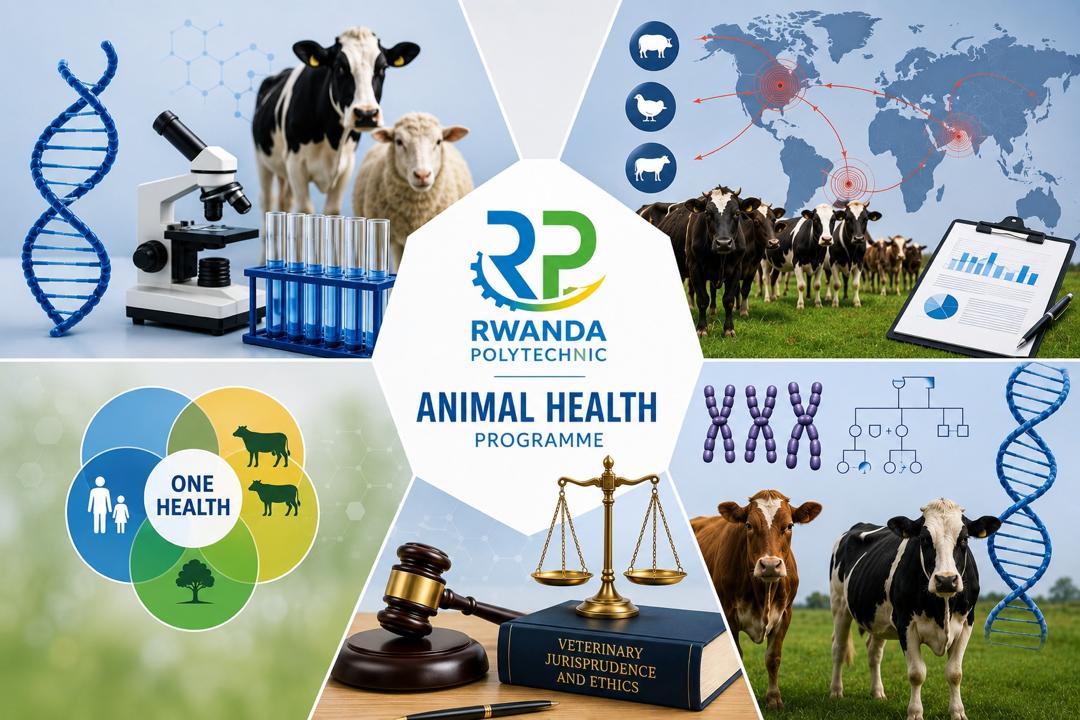
Dear student, welcome to this module!
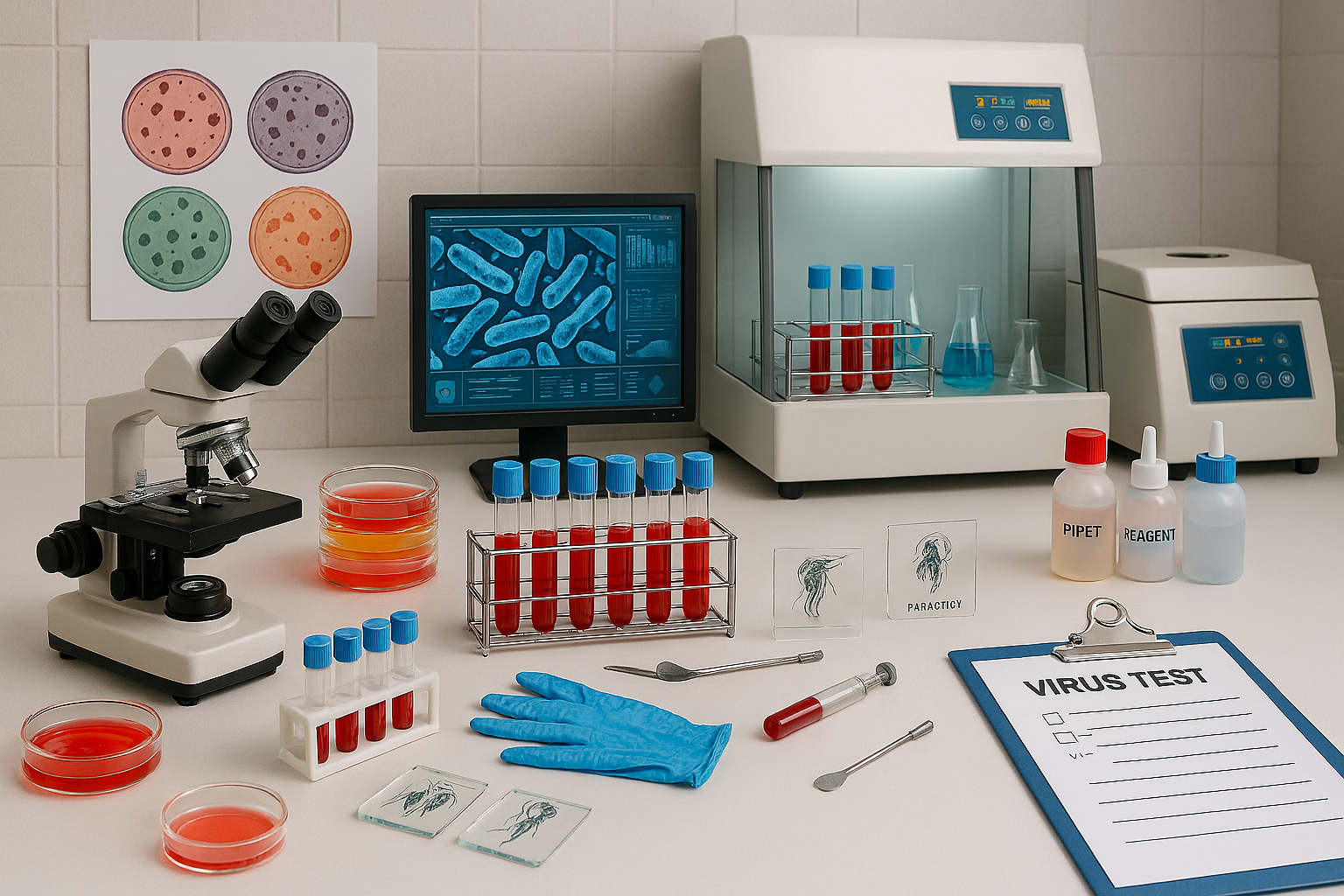
A well-equipped veterinary laboratory is essential for safeguarding both animal and public health. By providing rapid, accurate, and reliable diagnostic results, these laboratories form the backbone of disease detection, control, and prevention systems.
This module is designed to equip you with practical knowledge and hands-on skills in key areas of veterinary laboratory science, including bacteriology, parasitology, virology, and laboratory management.
By the end of this course, you will be able to perform essential diagnostic tests, interpret laboratory results, and apply best practices in managing veterinary laboratory operations all contributing to effective disease surveillance and control within the One Health framework.
Think about it:
-
Why is accurate laboratory diagnosis essential for controlling animal diseases?
-
How can laboratory practices support national and global One Health initiatives?
- Enseignant: Victor HUNDO RUMURI
- Enseignant: Marie Joyeuse Nyiraneza
Dear student, welcome to this module!
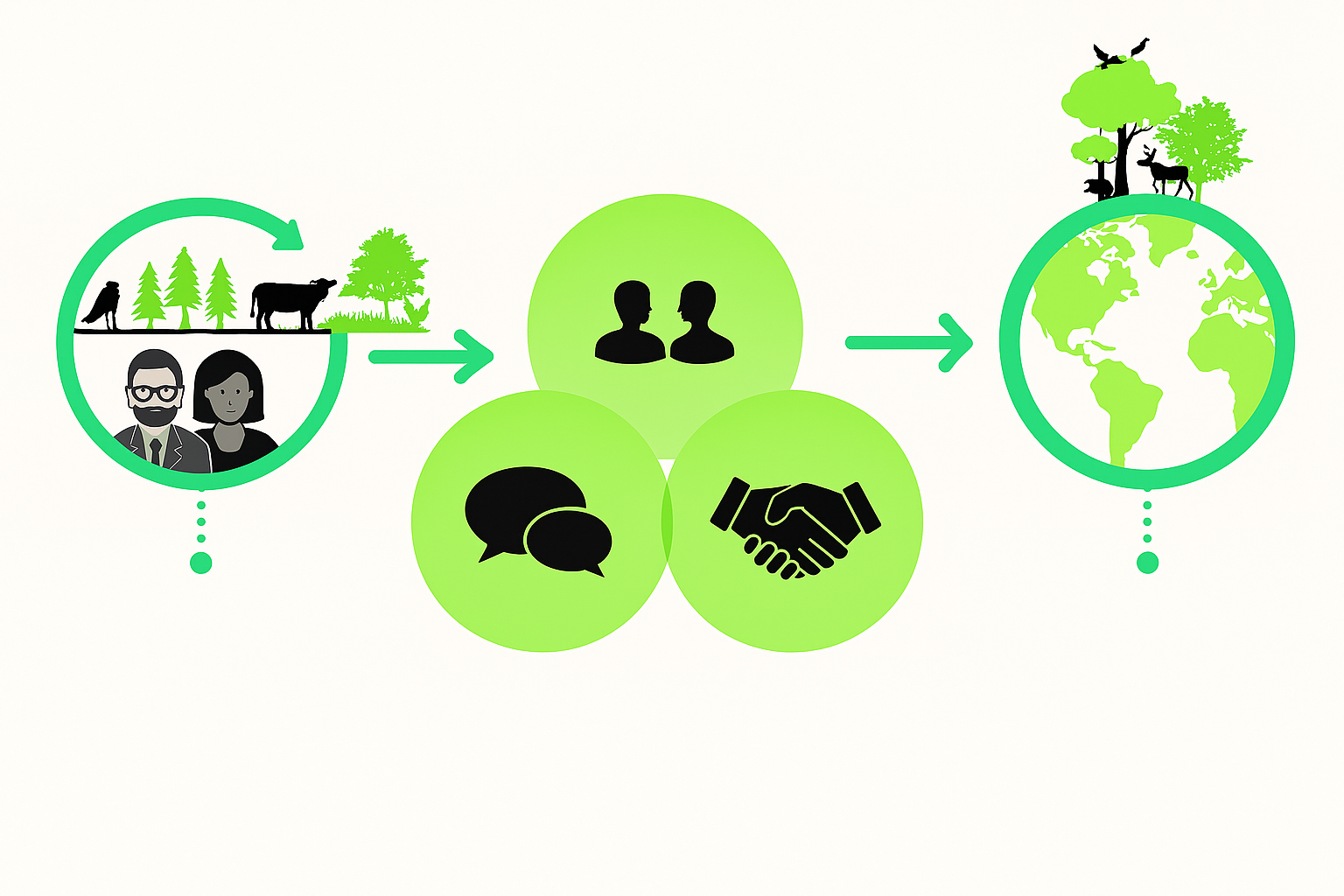
In this engaging module, you will explore how the health of humans, animals, and the environment are deeply interconnected. Guided by the One Health approach, you’ll discover how global and national frameworks such as the Global One Health Joint Plan of Action (2022–2026) and Rwanda’s One Health Policy (2021).
Through interactive case studies, collaborative projects, and hands-on learning, you will gain the knowledge and practical skills to apply One Health principles, conduct risk assessments, and design sustainable health interventions that safeguard both people and the planet.
🗣 Think about it:
-
How does the One Health approach strengthen community resilience?
-
Why is multidisciplinary collaboration essential for solving health challenges?
-
How can you contribute to integrated, sustainable health solutions?
- Enseignant: Victor HUNDO RUMURI
- Enseignant: Dr.Joshua KATUSIME
Dear student, welcome to this session!
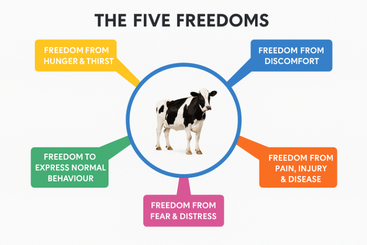
This module is essential preliminary activities required of a veterinary technologist to ensure proper animal welfare.
You will learn how to uphold the Five Animal Freedoms, apply humane slaughter principles, promote welfare awareness, practice humane handling, and support effective and ethical animal transportation.
🗣 Think about it:
• Why must veterinary technologists prioritize animal welfare?
• How do proper handling and transport influence animal well-being?
- Enseignant: Victor HUNDO RUMURI
- Enseignant: Marie Joyeuse Nyiraneza
Dear student, welcome to this module!
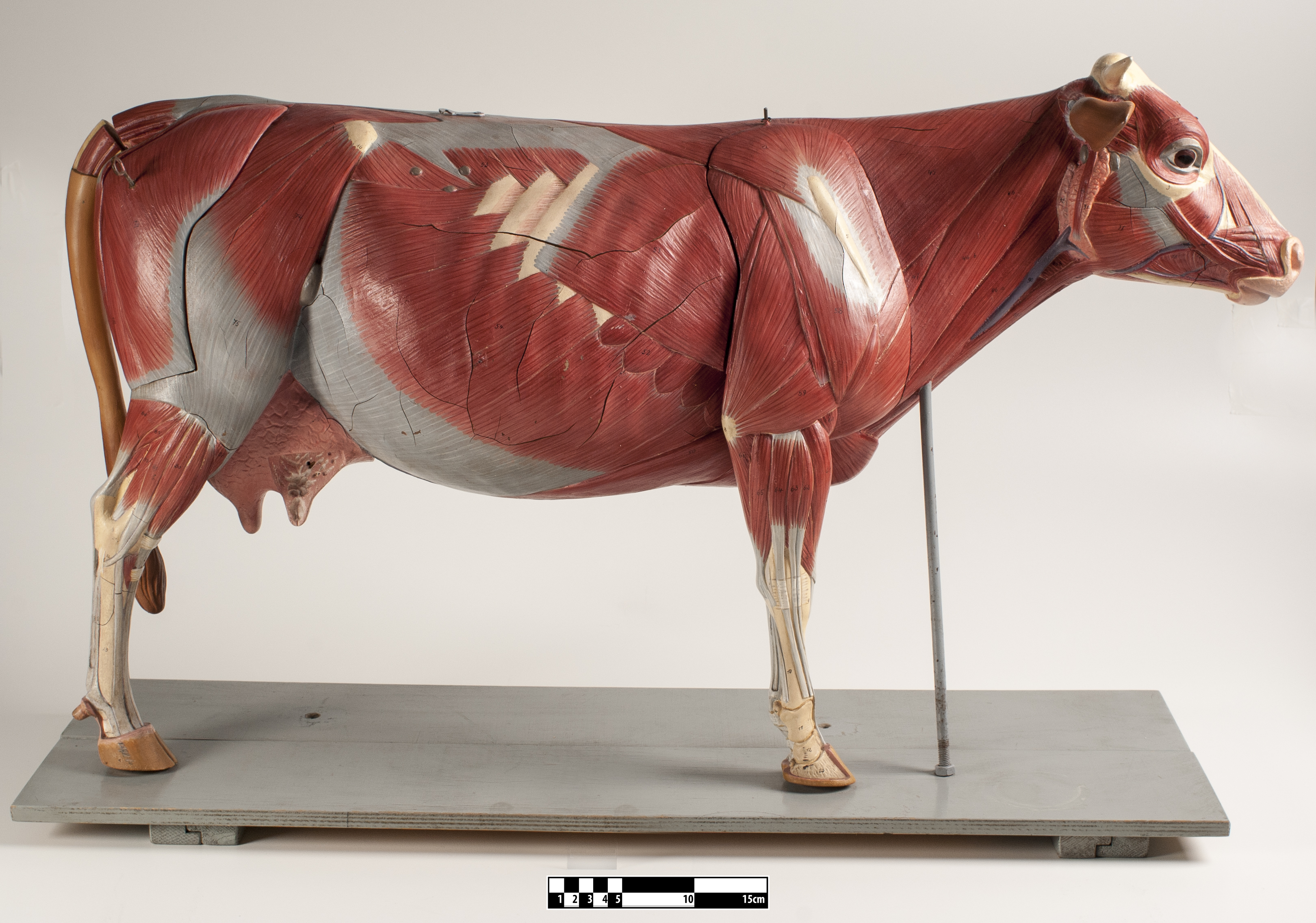
In this exciting module, you will explore the fascinating structure and function of animal bodies, gaining insight into how different systems skeletal, muscular, digestive, respiratory, circulatory, and more — work together to sustain life.
Through guided dissections and hands-on laboratory activities, you will develop a practical understanding of the anatomy and organization of major body systems, linking theory with real-world application in veterinary science.
By the end of this module, you will be able to identify, describe, and relate anatomical structures to their physiological functions, building a strong scientific foundation for your future as a veterinary professional.
🗣 Think about it:
-
How do different body systems work together to keep animals healthy?
-
Why is anatomical knowledge essential for diagnosing and treating animals?
-
What can you learn from observing the structure of living organisms first-hand?
- Enseignant: Marie Joyeuse Nyiraneza
- Enseignant: Dr. BAVAKURE Pierre Claver
Dear student, welcome to this module!
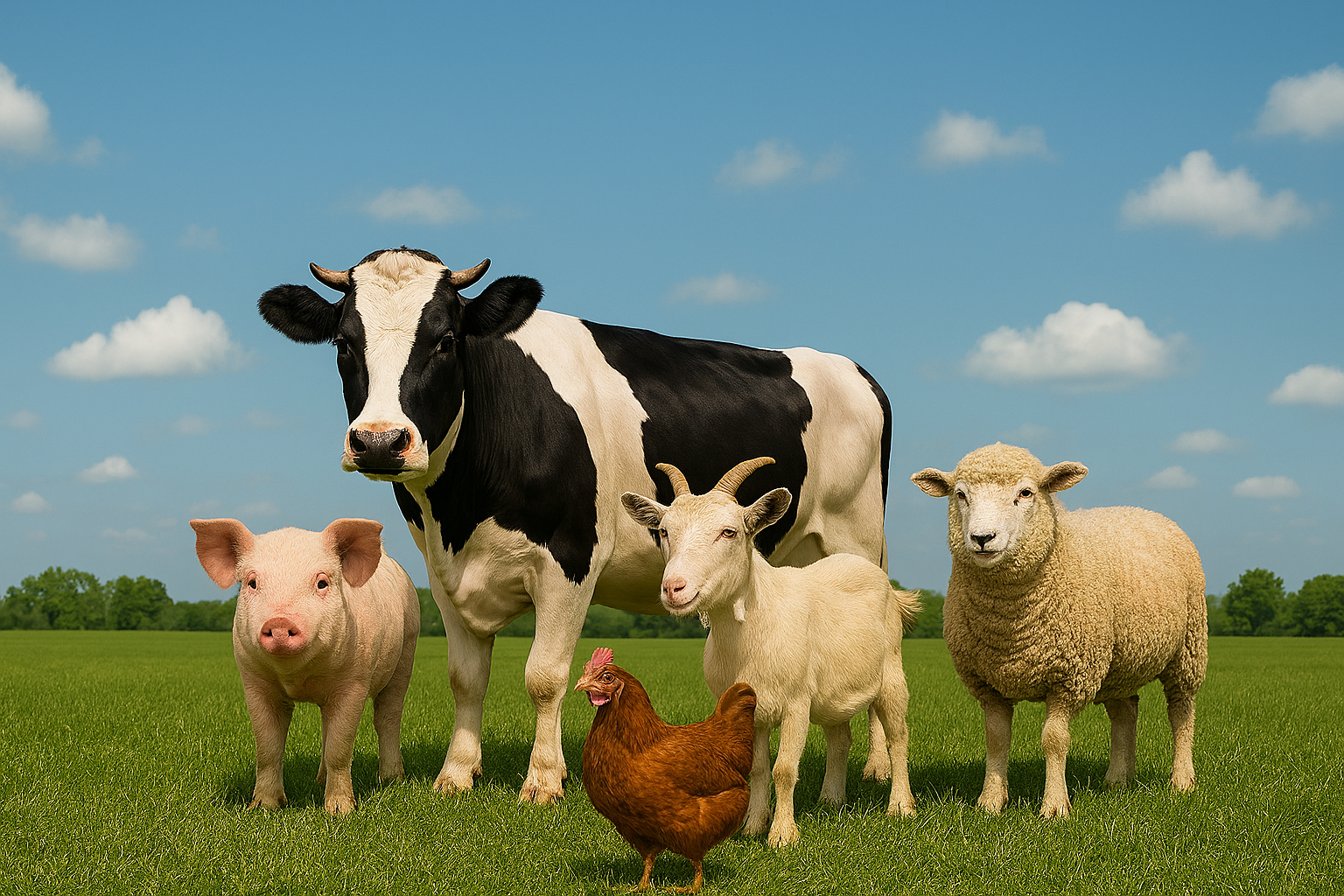
In this module, you will gain essential knowledge and skills in animal production systems, good husbandry practices, animal breeding techniques, farm animal health, and biosecurity measures. You will also learn how to keep breeding records and apply effective management strategies that improve productivity and animal welfare.
By the end of this module, you will be able to manage farm animals confidently and responsibly, using scientific and practical approaches that promote health, sustainability, and profitability.
🗣 Think about it:
-
How do animal breeding and good husbandry practices support sustainable livestock production?
-
Why is biosecurity essential for maintaining healthy farms?
-
How can effective management improve both animal welfare and farm profitability?
- Enseignant: Victor HUNDO RUMURI
- Enseignant: Marie Joyeuse Nyiraneza