
Module Summary
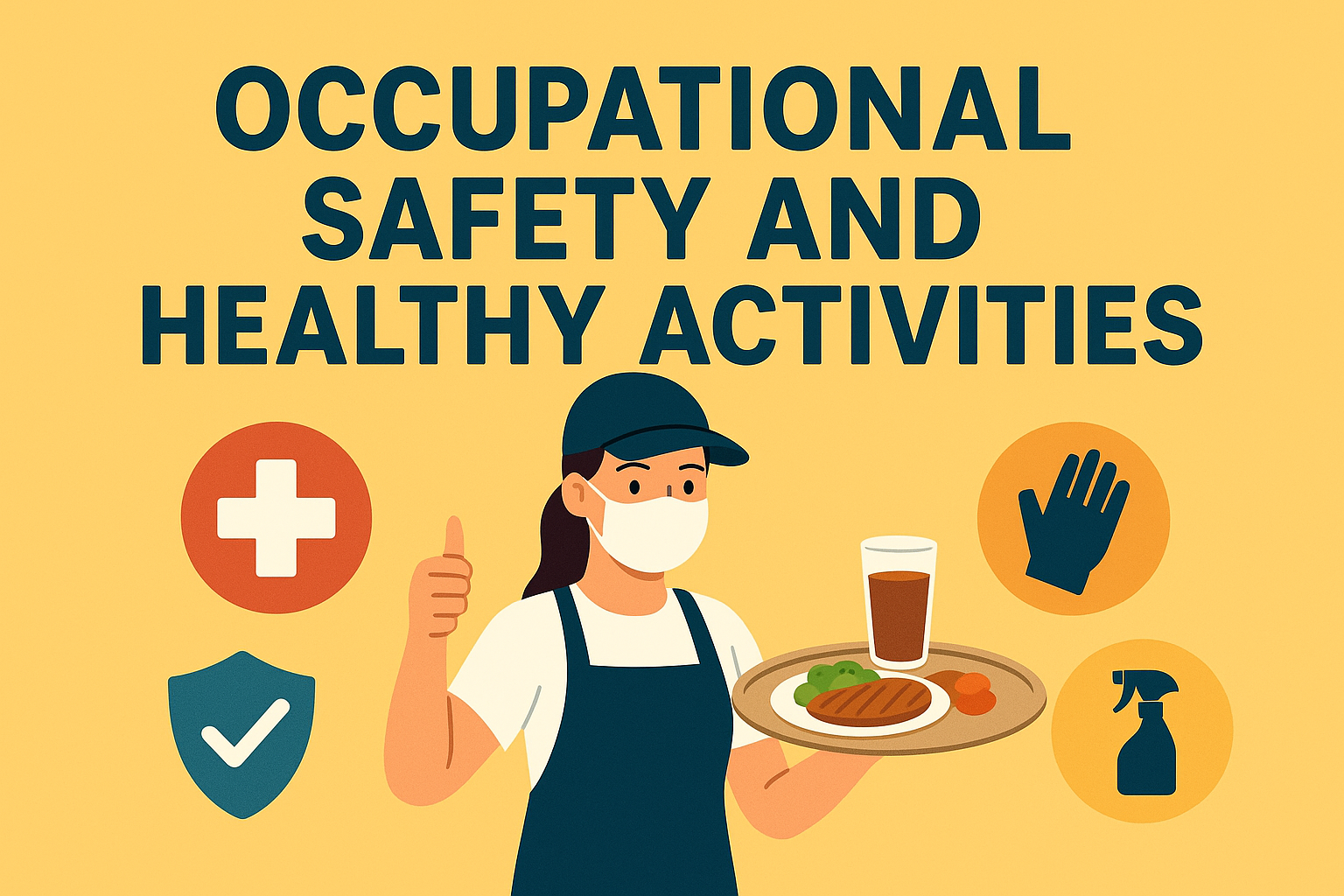
This module equips learners with the essential knowledge, skills, and attitudes required to maintain and promote occupational safety, health, hygiene, and sanitation standards in the workplace. It introduces principles of hygiene and sanitation, communicable and non-communicable diseases, prevention of gender-based violence, and practices for sustaining individual and workplace safety. Learners will develop competence in identifying hazards, applying preventive measures, monitoring hygiene and sanitation activities, responding to emergencies, and promoting overall well-being at the workplace. The module emphasizes safe work practices, hazard control, personal protection, and the importance of creating a positive and healthy working environment.
Course Learning Objectives
By the end of this module, learners should be able to:
- Explain the principles of hygiene and sanitation and their importance in workplace health and safety.
- Identify and describe common communicable and non-communicable diseases and their modes of transmission.
- Apply appropriate procedures to monitor hygiene and sanitation activities in different workplace settings.
- Assess workplace hazards and demonstrate the ability to implement safety control measures.
- Analyze the causes, forms, and impacts of gender-based violence and apply preventive strategies within workplace environments.
- Demonstrate skills in using personal protective equipment (PPE) and other safety tools to ensure personal and collective safety.
- Respond appropriately to workplace emergencies such as accidents, fires, and health risks.
- Promote healthy lifestyle practices that enhance personal well-being and workplace productivity.
Learning Outcomes
By the end of the module, the learner will be able to:
- Select appropriate tools, equipment, and materials used for hygiene and sanitation.
- Monitor hygiene and sanitation activities effectively at the workplace.
- Describe communicable and non-communicable diseases and outline their prevention measures.
- Identify and explain forms of gender-based violence and apply preventive measures in workplace settings.
- Assess workplace health and safety hazards and propose practical control measures.
- Establish and implement workplace safety procedures and standards.
- Monitor safety performance and contribute to continuous improvement of workplace safety.
- Demonstrate appropriate emergency response procedures, including evacuation and first aid.
- Apply personal health and hygiene practices necessary for sustaining workplace well-being.
- Teacher: Pacifique TURATSINZE