
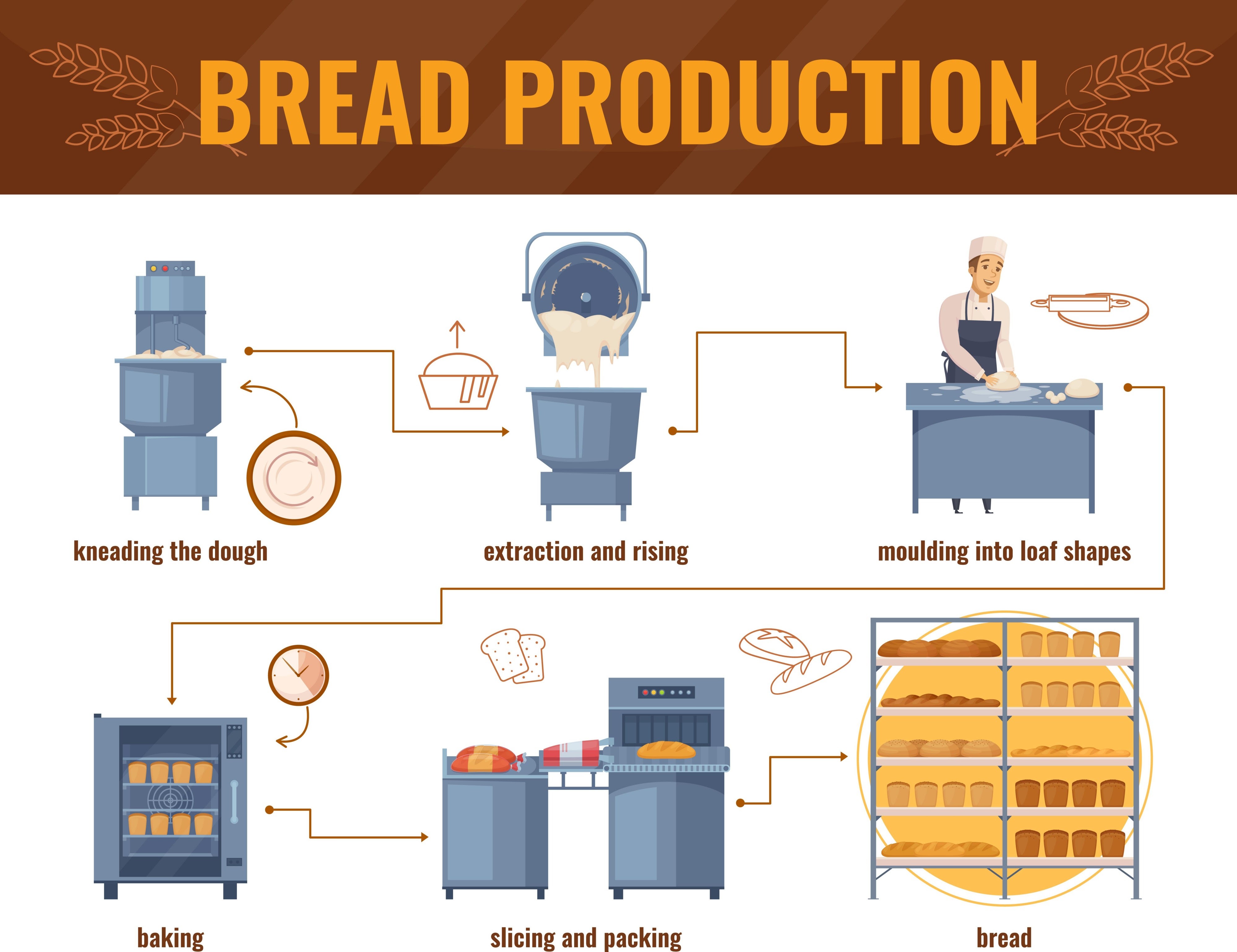
Teaching a bakery module in Rwanda offers a unique opportunity to blend classical international techniques with the rich local agricultural landscape. Preparing your students requires a structured approach to Mise en Place, ensuring they understand both the precision of baking and the value of local resources.
1. Core Ingredient Preparation
Baking is a science of ratios. Ensure students have prepared their "Dry" and "Wet" stations:
-
The Staples: Pre-measured wheat flour, sugar, yeast, and salt.
-
The Fats: Butter or margarine at room temperature, and local vegetable oils.
-
The Liquid Station: Fresh milk or water, kept at the specific temperature required for yeast activation ($35\text{°C}$ to $40\text{°C}$).
-
Local Enhancements: Since you are in Rwanda, encourage students to prepare:
-
Cassava or Maize Flour: For gluten-free options or texture trials.
-
Sweet Potato Puree: Used as a natural sweetener and moisture agent in local breads.
-
Local Honey: A substitute for refined sugars.
-
2. Equipment & Tool Organization
Before the first dough is mixed, students must audit their workstations to ensure efficiency and hygiene.
| Category | Essential Tools |
| Measuring | Digital scales (preferred for accuracy), measuring cups, and spoons. |
| Mixing | Large stainless steel bowls, wooden spoons, and scrapers. |
| Shaping | Bench scrapers, rolling pins, and proofing baskets. |
| Baking | Properly cleaned baking trays, parchment paper, and calibrated ovens. |
3. The Rwandan Context: Recipe Adaptation
Teaching students how to adapt global recipes to local ingredients is a high-value skill.
-
Traditional Staples: Integrate lessons on making high-quality Amandazi (fried dough) or Chapatis, focusing on the science of frying temperature and gluten development.
-
High-Altitude Baking: Since much of Rwanda is at a high elevation, remind students that dough may rise faster but dry out more quickly. They should be prepared to adjust hydration slightly.
-
Sourcing: Discuss the importance of using locally milled flours and how they differ in protein content compared to imported brands
- Teacher: Cecile KAMARIZA